


Call Now
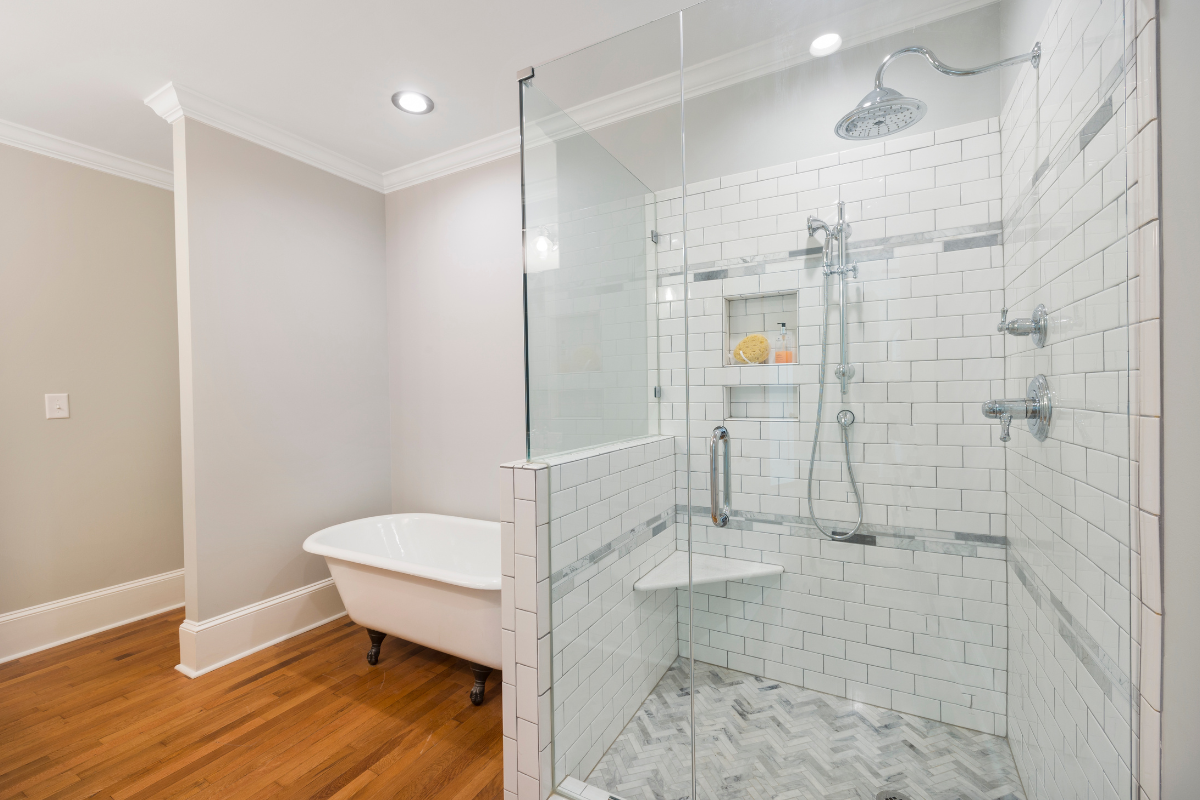
Wet areas are essentially just what they sound like. In simple terms, they’re the parts of your bathroom that come into frequent contact with water. That includes spaces exposed to direct spray, splashing, condensation, or standing water.
The shower and bathtub are the most obvious examples, but wet areas can also include the surrounding walls, shower enclosure, and flooring around your shower or tub. Since these get wet nearly every day, choosing materials and installation methods that can withstand moisture is essential.
When your bathroom's wet area is designed well, you can keep moisture-related problems at bay—and make the space easier to clean and maintain.
The wet area may not seem like such an essential part of your bathroom remodel when compared to updated fixtures, a beautiful vanity, and new lighting—but this area has a particularly demanding job: it needs to handle water day after day.
When moisture gets where it shouldn't, it can contribute to mold and mildew, damaged finishes, and potentially more extensive structural problems. That’s why proper waterproofing and moisture-resistant materials are such important investments in the longevity of your bathroom.
For homeowners who aren't looking to invest in a complete renovation, focusing on the wet area can also be a practical way to make a significant improvement without remodeling every part of the room.
Depending on your bathroom's layout, the main wet and semi-wet areas include:
When moisture finds its way behind improperly protected surfaces, it can contribute to mold, mildew, and damage to the materials underneath. That’s why wet-area materials should be selected with durability and maintenance in mind. They're also easier to clean when they're designed to handle regular exposure to water, soap, and grime.
Tile is a popular bathroom material for good reason; it offers extensive options for colors, shapes, patterns, and styles.
But tile isn't the same thing as a completely waterproof shower system. Traditional tile installations use grout to fill the joints between individual tiles, and cement-based grout isn't inherently waterproof. Proper waterproofing behind the finished tile assembly is still essential.
Grout can also require more ongoing maintenance. It can collect soap residue, stain, and develop mildew over time, particularly in a constantly damp shower environment.
Non-porous wall panels offer a different approach. Acrylic and other solid-surface materials resist water absorption and can create a more continuous surface with fewer seams and no traditional grout lines. That can mean easier cleaning and less maintenance.
There isn't one right choice for every bathroom, but non-porous surfaces can be especially appealing if easy maintenance and moisture resistance are priorities.
A full bathroom remodel typically involves updating the entire room, including the wet area, vanity, flooring, lighting, plumbing, and other fixtures. This can make sense when the bathroom has significant structural, functional, or layout problems—or when you're ready for a complete transformation.
Wet area remodeling takes a more targeted approach. Instead of replacing everything, you focus on the shower, tub, surrounding walls, and other surfaces that experience the most moisture.
The right choice depends on the condition of your bathroom and your goals. If the vanity and other fixtures are still working well but your shower or tub is outdated, damaged, moldy, or difficult to clean, there's no reason you necessarily need to start from scratch.
If a complete bathroom renovation isn't in your budget, don't assume you have to put the entire project on hold.
The shower or tub is one of the most noticeable and heavily used parts of the room. Updating this area can improve the bathroom's appearance, functionality, maintenance, and everyday comfort while addressing surfaces that deal with the most moisture.
You can always update other elements later. Starting with the wet area allows you to address one of the bathroom's biggest functional priorities without committing to a full renovation all at once.
A bathroom remodel doesn't have to mean tearing out every fixture in the room. Sometimes, the smartest place to start is where your bathroom works hardest: the wet area.
Whether you're replacing an outdated bathtub, upgrading your shower, changing the wall surrounds, or creating a more accessible space, the right materials can make a major difference in how your bathroom looks, functions, and holds up over time.
At True North Kitchen & Bath, we help California homeowners design and build bathroom spaces around the way they actually live. From custom acrylic tub and shower systems to accessible walk-in showers and full bathroom remodels, our team can help you determine the right approach for your space.
Ready to explore your options? Schedule a free consultation with True North Kitchen & Bath.
Together, we can transform your space into your dream bathroom that you and your family will love for years to come. Ready to get started?
Free Consultation.avif)

.avif)
.avif)


