


Call Now

A bathtub often serves as the focal centerpiece—if not the literal centerpiece—of your bathroom, taking up a large portion of the space and serving a crucial function. So choosing the right one in a bathroom model is crucial. Whether you’re planning a luxurious spa retreat, updating a guest bath, or designing a practical family bathroom, the right tub is one of the most important decisions.
Today’s bathtubs are designed with a wide range of lifestyles, layouts, and aesthetics in mind. Some prioritize deep relaxation and long soaking sessions, while others focus on accessibility, storage options, or maximizing limited square footage in small bathrooms. Whether you’re seeking a classic clawfoot tub or a sleek modern soaking tub, there’s a style to suit your fancy.
If you’re exploring bathtub ideas for your next renovation, understanding the different types of bathtubs can help you narrow down your options and create a space that looks beautiful and works for your daily life.
When settling on a new bathtub for your bathroom remodel, it’s important to consider the following factors.
First thing’s first: You have to be practical and consider the amount of space you’re working with. This will often determine which bathtub styles are realistic for your remodel. Large main bathrooms may accommodate oversized soaking tubs, corner bathtubs, or freestanding tubs, while smaller bathrooms may require more compact solutions like alcove tubs or shower-tub combos.
Bathtub materials affect everything from durability and maintenance to heat retention and price. Consider the following:
This might sound like a no-brainer, but you should think about how your bathtub will be used. If you have children, you may prioritize practicality and easy cleaning, while those seeking a relaxing soak may prefer deeper soaking tubs or jetted options. Older adults may benefit from accessible walk in tubs with safety features.
The bathtub should complement your bathroom’s overall design style. A clawfoot tub may suit a traditional or farmhouse-inspired space, while sleek freestanding tubs often fit modern and minimalist bathrooms. (If you’re stilling figuring out your style, you can take our bathroom design style quiz!).
Now, let’s get into the bathtub styles to choose from!

A freestanding tub is a bathtub with finished sides that stands independently rather than connecting to surrounding walls. These tubs are often used as a focal point in luxury bathroom remodels and come in a wide range of modern and classic styles.
Freestanding tubs are great for creating a spa-like atmosphere and providing a relaxing soak experience.
Best for: Primary bathrooms, luxury remodels, spa-inspired spaces
Pros:
Cons:

A clawfoot tub is a type of freestanding tub that rests on decorative exposed feet. Traditionally associated with vintage homes, clawfoot tubs now come in both classic and updated modern styles.
These tubs add charm and character while creating a timeless statement in the bathroom.
Best for: Vintage-inspired bathrooms, traditional homes, statement designs
Pros:
Cons:

Corner bathtubs are large tubs designed to fit into the corner where two walls meet. Many corner bathtubs include built-in seating, wide ledges, or jetted features for a more luxurious experience.
They’re often chosen for spacious primary bathrooms where relaxation is a priority.
Best for: Large bathrooms, spa-like remodels, couples
Pros:
Cons:

Drop-in tubs are installed into a custom-built enclosure or deck, with the rim resting on top of the surrounding surface. This style allows for a more built-in and customized appearance.
The surrounding deck can also provide storage options for bath products and décor.
Best for: Custom bathroom remodels, upscale bathrooms, homeowners wanting built-in storage
Pros:
Cons:

Jetted tubs use water or air jets to create a spa-like experience—like a massage in your tub! They’re designed for comfort and relaxation, perfect for spa-inspired bathroom aesthetics.
These tubs can help create a more luxurious at-home retreat.
Best for: Relaxation, hydrotherapy, luxury bathrooms
Pros:
Cons:
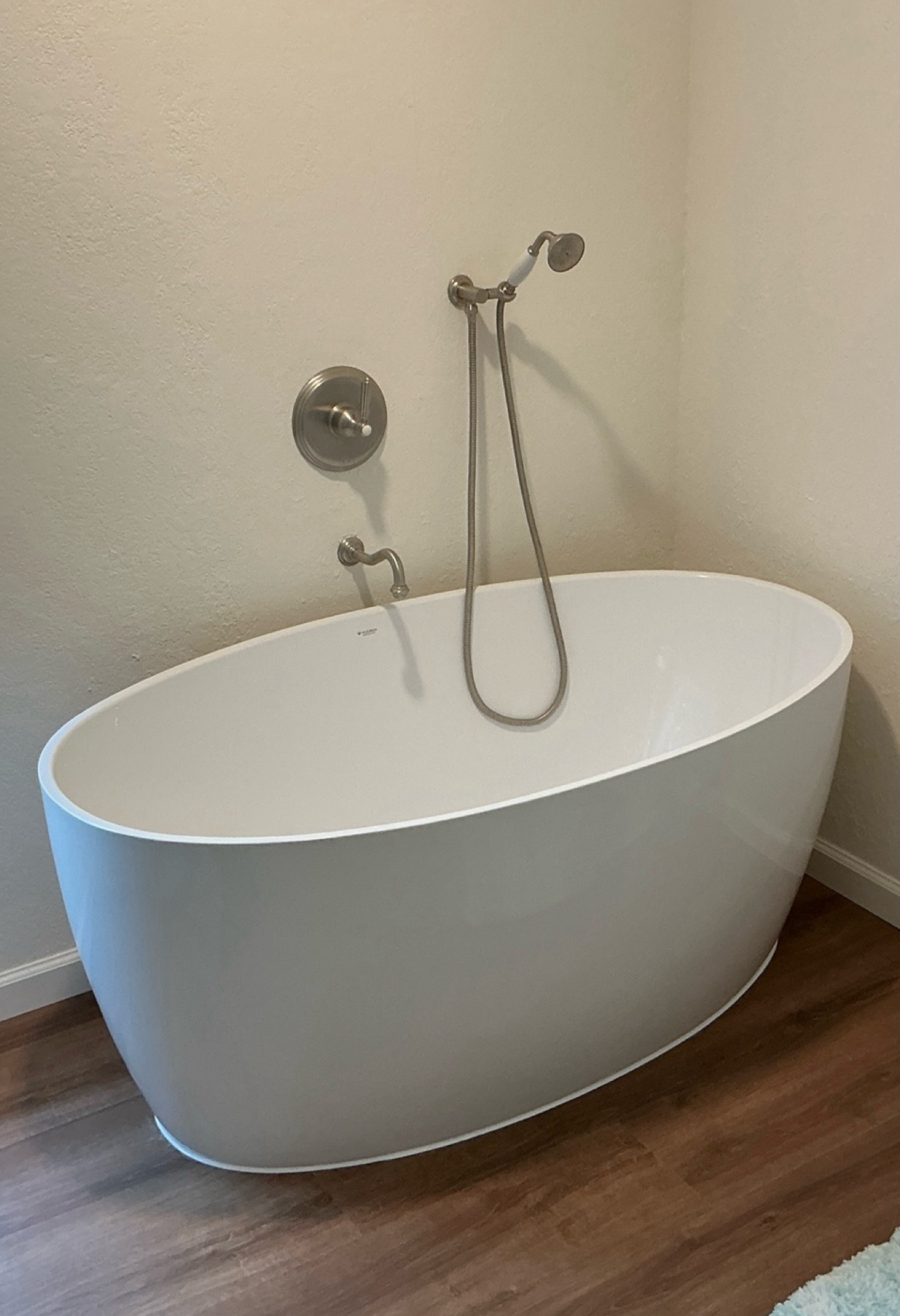
Japanese soaking tubs are deep tubs designed for seated soaking rather than reclining. They are typically shorter but deeper than traditional tubs, making them a great option for homeowners who want a relaxing soak without needing excessive floor space.
These tubs are increasingly popular in modern and minimalist bathroom designs.
Best for:
Relaxation, modern bathrooms, smaller spaces
Pros:
Cons:

Alcove bathtubs are installed between three walls (in an alcove!) and are often paired with a shower. This is one of the most common bathtub styles because it is practical, space-efficient, and budget friendly.
Alcove tubs are especially popular in family homes and small bathrooms.
Best for: Small bathrooms, guest bathrooms, family homes
Pros:
Cons:

Undermount tubs are installed beneath a surrounding deck so the tub rim remains hidden. This creates a sleek, seamless appearance often used in modern and luxury bathroom designs.
These tubs pair beautifully with custom acrylic surrounds for a clean, low-maintenance finish.
Best for: Modern bathrooms, luxury remodels, minimalist designs
Pros:
Cons:
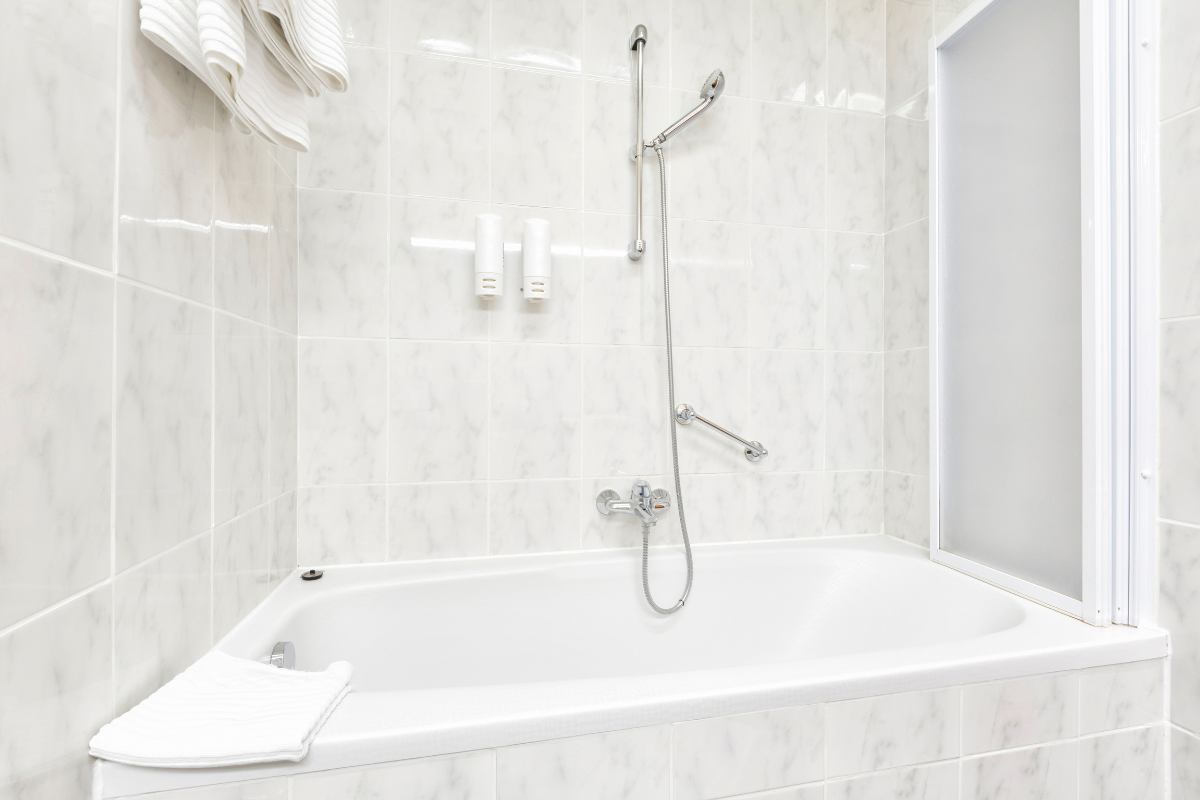
A shower-tub combo combines both functions in one unit, making it one of the most practical bathtub ideas for busy households. These tubs maximize functionality while helping save space and remodeling costs.
Modern shower-tub combos can still feel stylish with upgraded tile, fixtures, and glass doors.
Best for: Small bathrooms, guest bathrooms, family homes
Pros:
Cons:

Walk-in tubs are designed for accessibility, comfort, and safety. These tubs include features like low-entry doors, built-in seating, grab bars, and slip-resistant flooring to create a safer bathing experience.
Accessible bathtubs can help homeowners age in place while maintaining independence and comfort.
Best for: Older adults, accessibility needs, aging-in-place remodels
Pros:
Cons:
The right bathtub can elevate your bathroom remodel while improving comfort, functionality, and style. Whether you’re drawn to modern freestanding tubs, practical alcove bathtubs, or luxurious soaking tubs, the best choice depends on your space, budget, and lifestyle needs.
At True North Kitchen & Bath, we help homeowners create bathrooms that feel beautiful, functional, and personalized. From layout planning to material selection, our team can help you choose the perfect bathtub for your next remodel.
Together, we can transform your space into your dream bathroom that you and your family will love for years to come. Ready to get started?
Free Consultation.avif)

.avif)
.avif)


