


Call Now
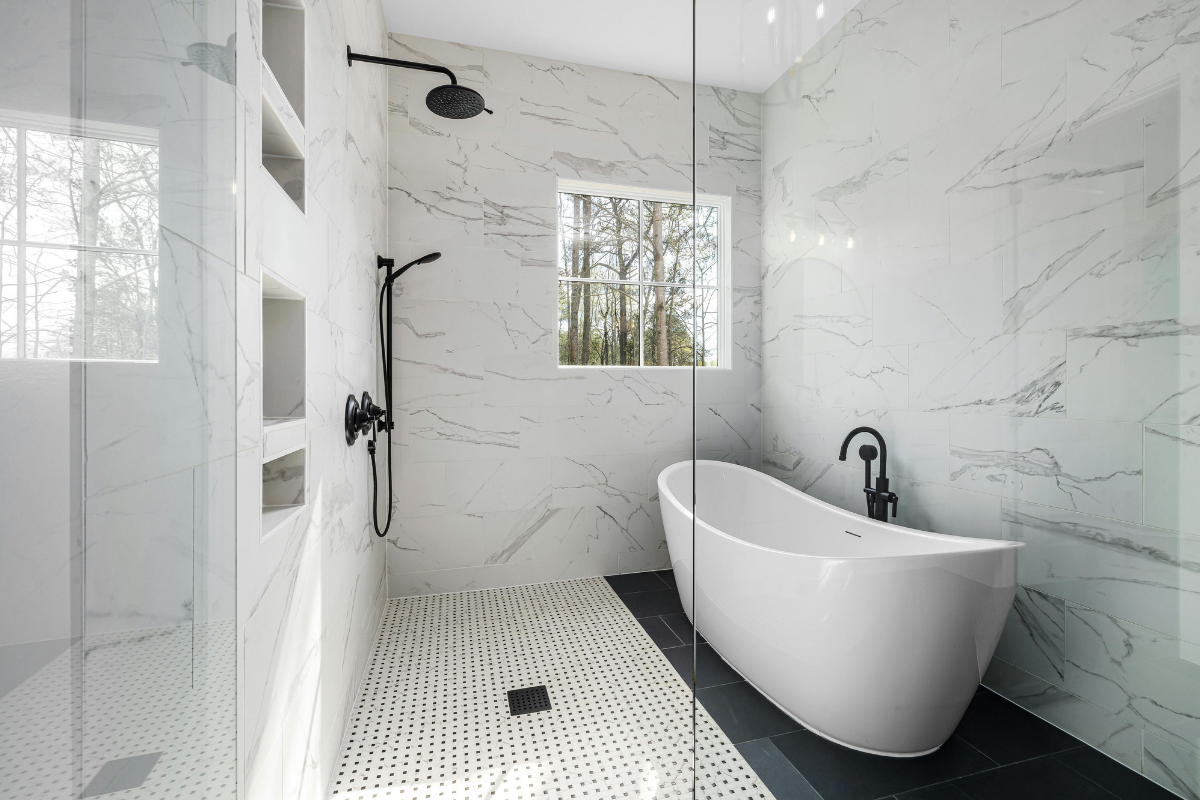
When planning a bathroom remodel, choosing the right shower wall material can affect everything from the look of your space to how much time you spend cleaning it.
Traditional tile is a popular option, but the benefits of non-porous materials are often criminally overlooked. Non-porous shower walls offer a low-maintenance alternative to tile that not only provide a clean, modern look, but are also highly durable.
So, which is better for your bathroom? Here's how the two options compare.
Non-porous shower walls are panels made from materials that resist absorbing water. Unlike traditional tile, which uses individual pieces separated by grout lines, wall panels can create a more continuous shower surface.
Common options include:
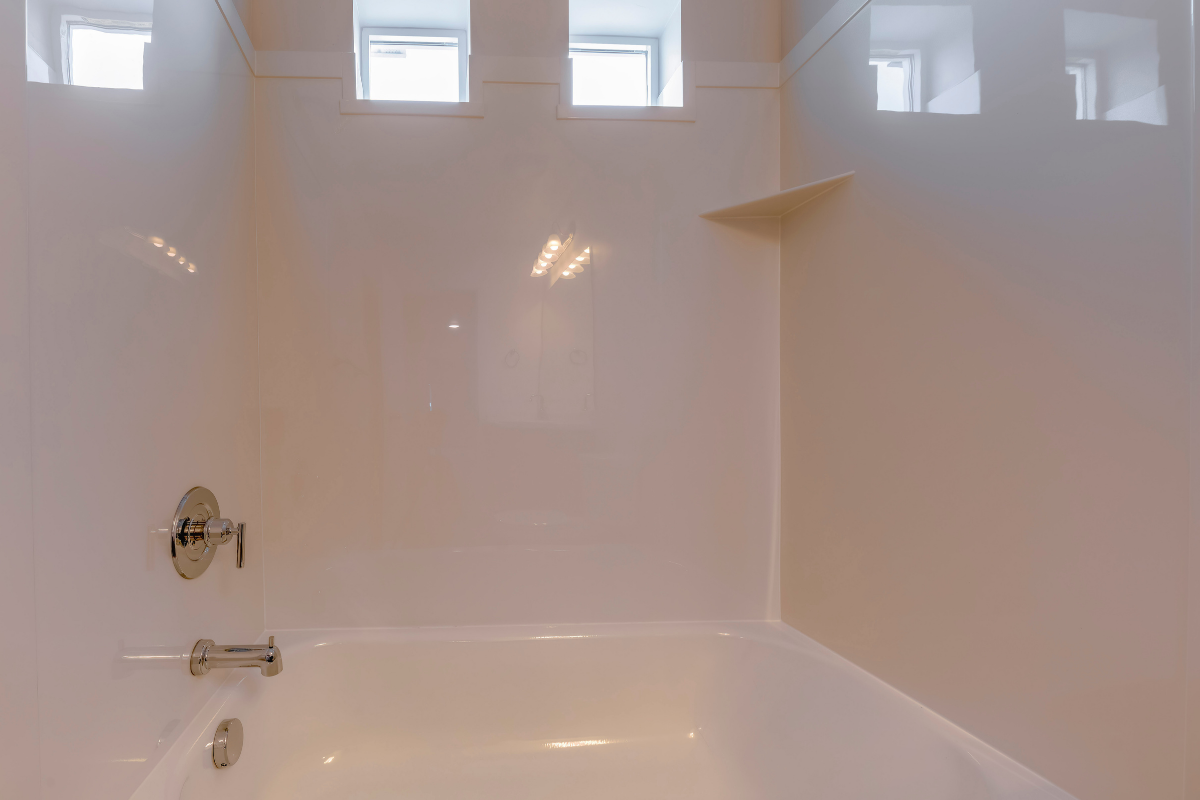
The main benefit is their resistance to water absorption. Many systems are also grout-free, which means fewer places for soap buildup, stains, and mildew to develop.
They're also available in a range of colors and patterns, including options that resemble tile or stone.
A tile shower typically consists of ceramic, porcelain, or natural stone tiles installed over a properly prepared shower assembly.
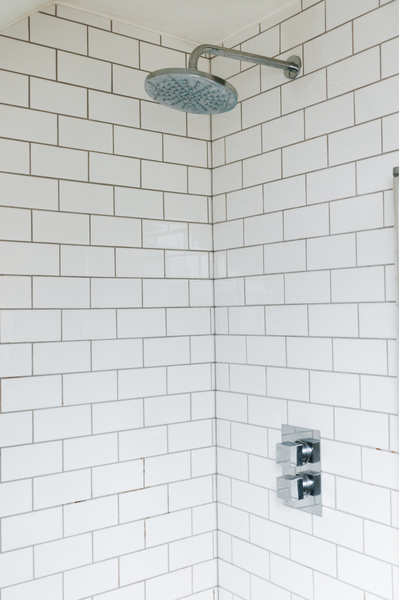
But tile is only one part of a shower. The tile you see in a finished bathroom isn't the only component responsible for managing water. A properly constructed shower includes tile, grout, substrate, and waterproofing system behind the finished surface.
Grout fills the joints between individual tiles, creating a finished surface and helping keep tiles in place.
Not necessarily. Tile and cement-based grout can allow some moisture to pass through, which is why proper waterproofing behind the tile is essential. The waterproofing system, rather than the tile alone, helps protect the structure behind the shower.
When choosing a surface for your shower, consider the following factors.
Tile offers extensive design flexibility, with countless colors, shapes, patterns, and layouts.
Non-porous panels offer a more streamlined appearance and can replicate the look of marble, stone, or tile.
Non-porous, grout-free walls are generally easy to maintain with regular cleaning.
Tile requires more attention around grout lines, which can stain or develop mildew over time.
Both options can provide long-term performance when properly installed.
Tile is highly durable, while quality non-porous shower materials are designed to withstand everyday moisture and use.
Non-porous materials resist water absorption, making them a good option if you’re concerned about moisture and water damage.
Tile showers can also be water-resistant, but their performance depends on the complete shower assembly and waterproofing.
Large wall panels make for a simpler, faster installation because they cover more area with fewer pieces. Installing individual tiles requires careful placement, cutting, grouting, and curing.
Costs vary based on the material, shower size, and design.
Non-porous panels often offer long-term value through easier maintenance and faster installation.
Tile may have lower material costs in some projects, but intricate designs can increase labor.
Both options can accommodate features like niches, benches, shelves, and grab bars.
Your remodeling professional can help determine which material works best with your layout and shower system.
There's no single best material for a shower. The right choice depends on your priorities.
If you want the appearance of a high-end shower without the maintenance of extensive grout, a solid surface walk-in shower is a great way to go.
Your shower is crucial to the function and appearance of your bathroom—so it should suit your style preferences and lifestyle perfectly.
Whether you prefer the versatility of tile or the easy maintenance of non-porous shower walls, the right material should fit your style, needs, and remodeling goals.
True North Kitchen & Bath can help you explore your options and create a shower designed for the way you live.
Together, we can transform your space into your dream bathroom that you and your family will love for years to come. Ready to get started?
Free Consultation.avif)

.avif)
.avif)


