


Call Now
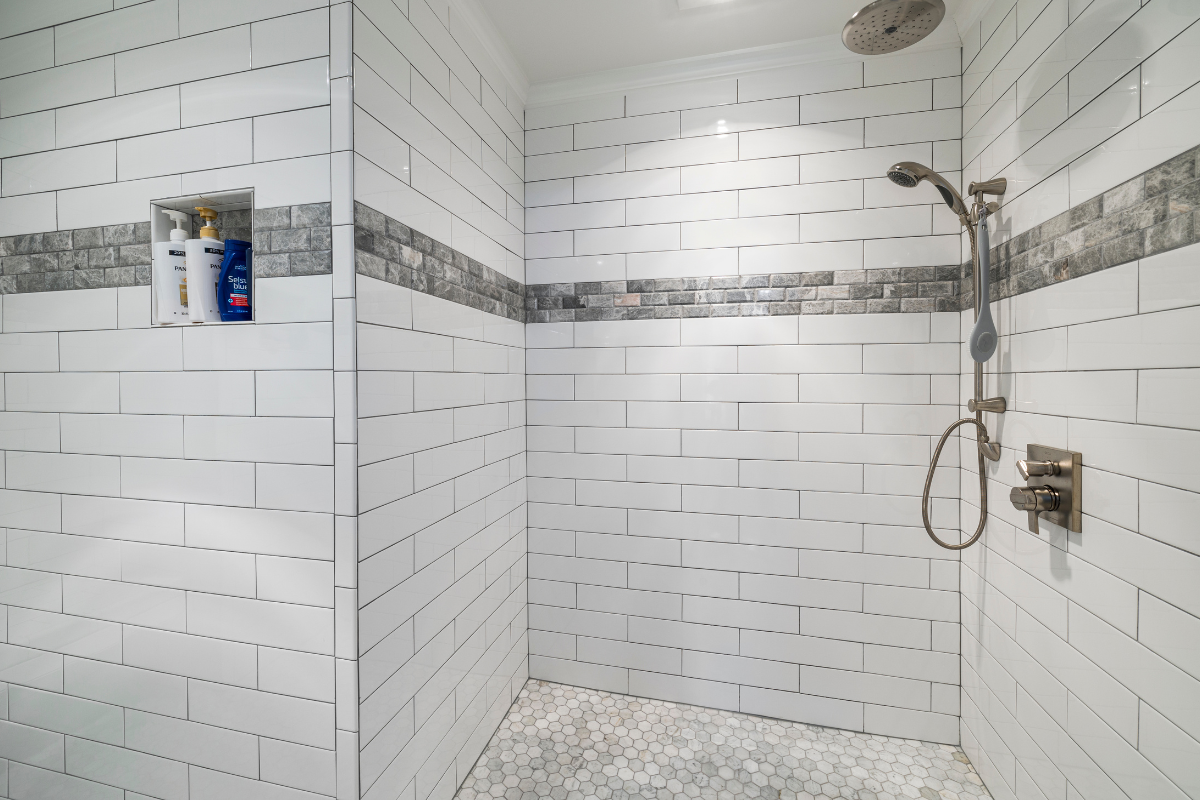
When planning your bathroom remodel, you’ll probably put a lot of consideration into what your shower walls will look like—but it’s crucial to think about their longevity and ease of maintenance, too. Shower walls need to be able to handle constant moisture, everyday use, and regular cleaning. That’s why, when comparing materials for shower walls, you should consider cost, durability, maintenance, installation time, and design.
Popular options include acrylic, ceramic and porcelain tile, natural stone, glass tile, and solid surface. Each comes with its own advantages and tradeoffs. We’ll dive into the main comparisons below.
Choosing the right shower wall is about more than appearance. Before choosing, consider how much you want to spend, how much maintenance you're willing to do, how quickly you want the project completed, and how the material will hold up over time.
Shower wall materials can range from budget-friendly to high-end. Acrylic tends to be on the lower end, while professionally installed tile and glass can cost more. Solid surface generally falls in the mid- to higher-end range. Your total cost will also depend on the size of the shower and installation.
A higher upfront cost can be worthwhile when a material is durable and requires less maintenance. Consider how well the material will hold up over years of regular use, not just what it costs to install.
Look for materials that fit the amount of upkeep you're willing to do. Non-porous materials with fewer seams and grout lines generally require less maintenance, while tile and natural stone can require more regular care.
Some shower wall systems can be installed relatively quickly, while tile and other detailed materials can take longer. Installation time can affect both the overall project timeline and labor costs.
Think about how the material will respond to everyday use. Some surfaces can scratch or crack more easily, while others are designed for heavier use. Proper installation also plays an important role in long-term performance.
Your shower walls should complement the rest of your bathroom. Tile offers extensive options for colors, patterns, sizes, and layouts, while other materials can recreate the look of stone or provide a more seamless appearance.
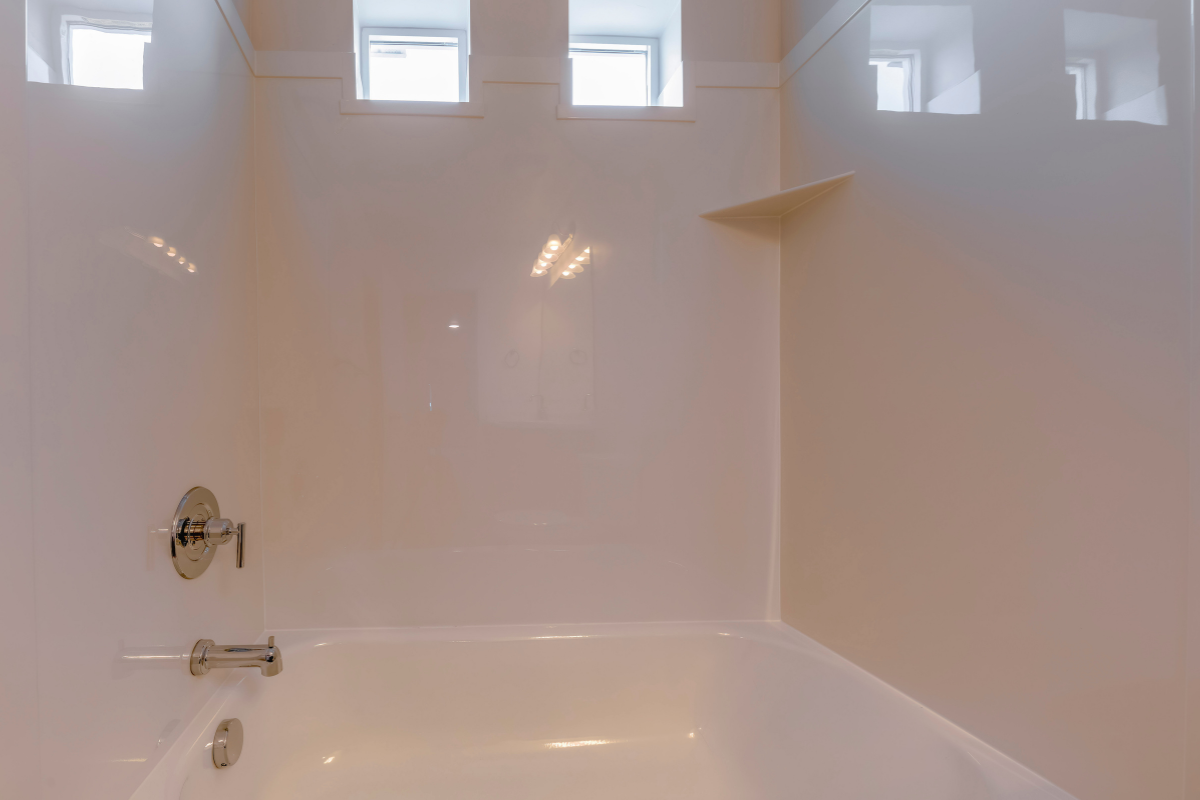
Acrylic shower walls are a popular choice for homeowners looking for a water-resistant, low-maintenance option. The smooth surface is easy to clean, and acrylic panels can typically be installed faster than tile. The good news is that acrylic is also available in a variety of colors and patterns to suit your taste, although its design options are more limited than tile.
Best for: Homeowners who want an affordable, low-maintenance shower.
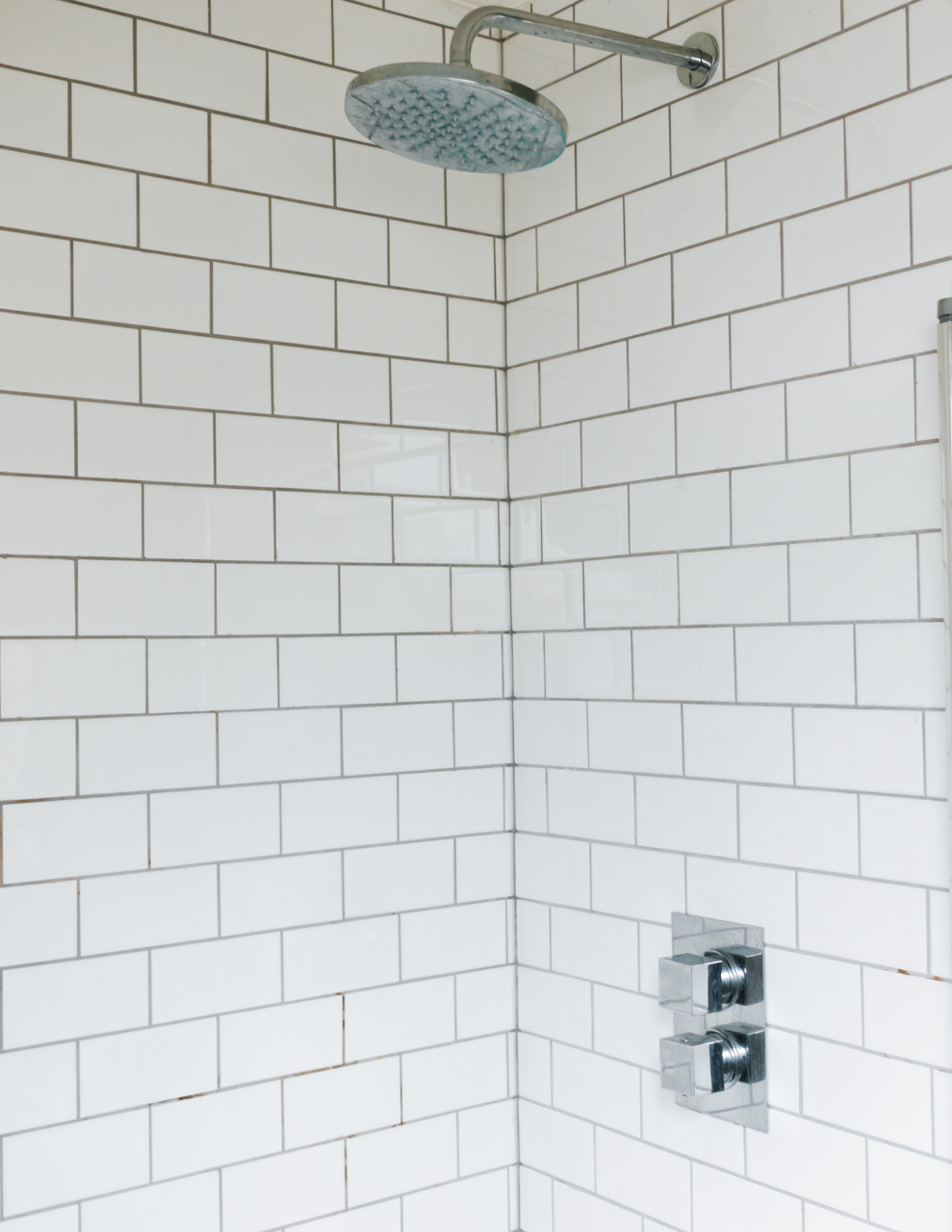
Ceramic and porcelain tile are quite popular thanks to their durability and flexibility. You can choose from classic subway tile, mosaics, large-format tile, and a wide range of colors and finishes. The biggest maintenance consideration is grout, which can require regular cleaning and care.
Best for: Homeowners who want extensive design flexibility and don't mind grout maintenance.
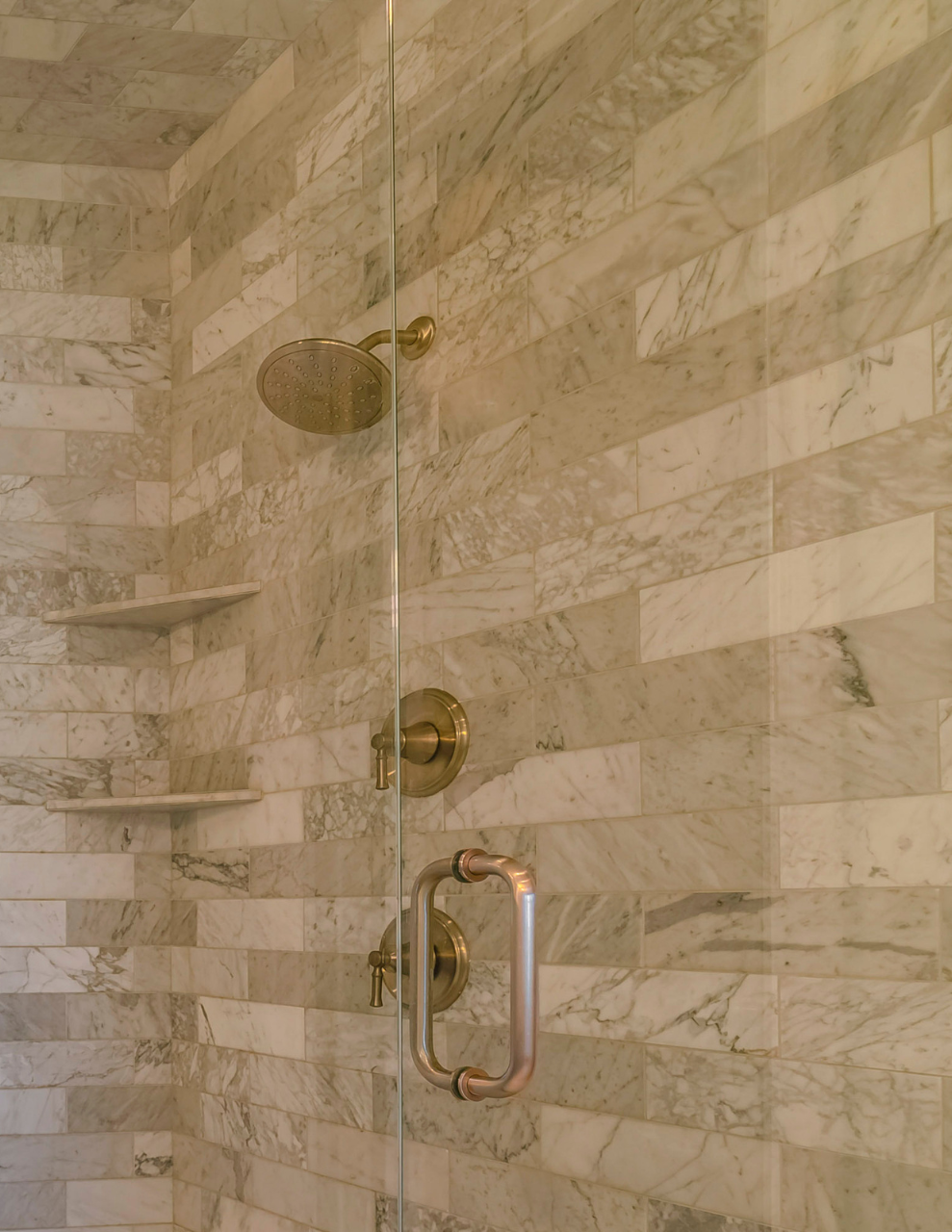
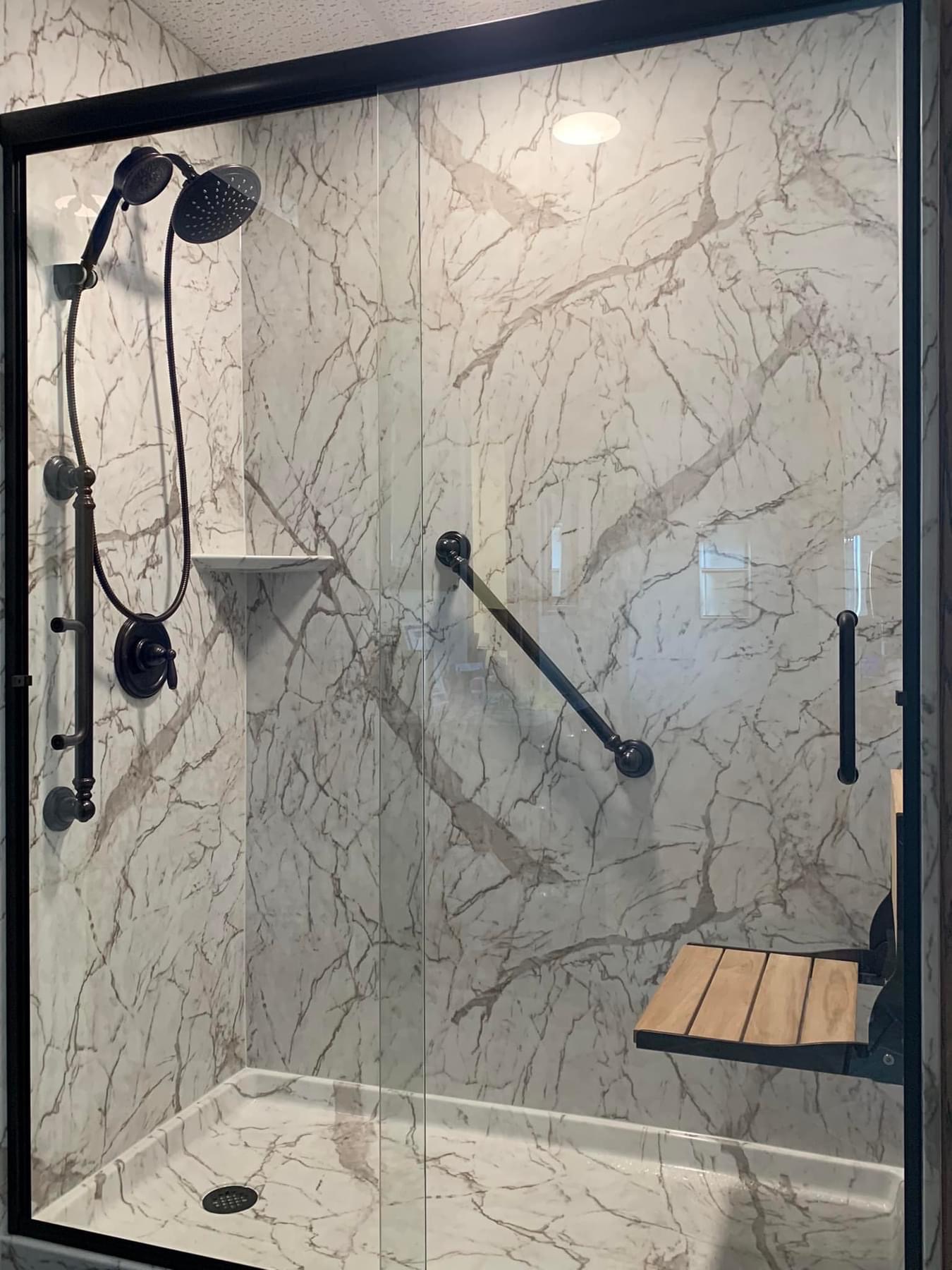
Using natural stone like marble, granite, and travertine is a great way to curate a distinctive, high-end vibe in your shower. However, many types of natural stone are porous, which means they may require sealing, and they often require a lot of specific maintenance. Solid surface or acrylic panels that mimic the look of stone can offer a lower-maintenance alternative.
Best for: Homeowners who prioritize a natural, upscale look and don’t mind the extra maintenance.
Glass tile can give a shower a bright, contemporary look, and its reflective surface can make a smaller or darker bathroom feel more open. It's durable and relatively easy to clean, although grout still requires maintenance. Glass tile can also require more specialized installation than ceramic tile.
Best for: Homeowners who want a bright, contemporary look and are willing to invest more in the project.
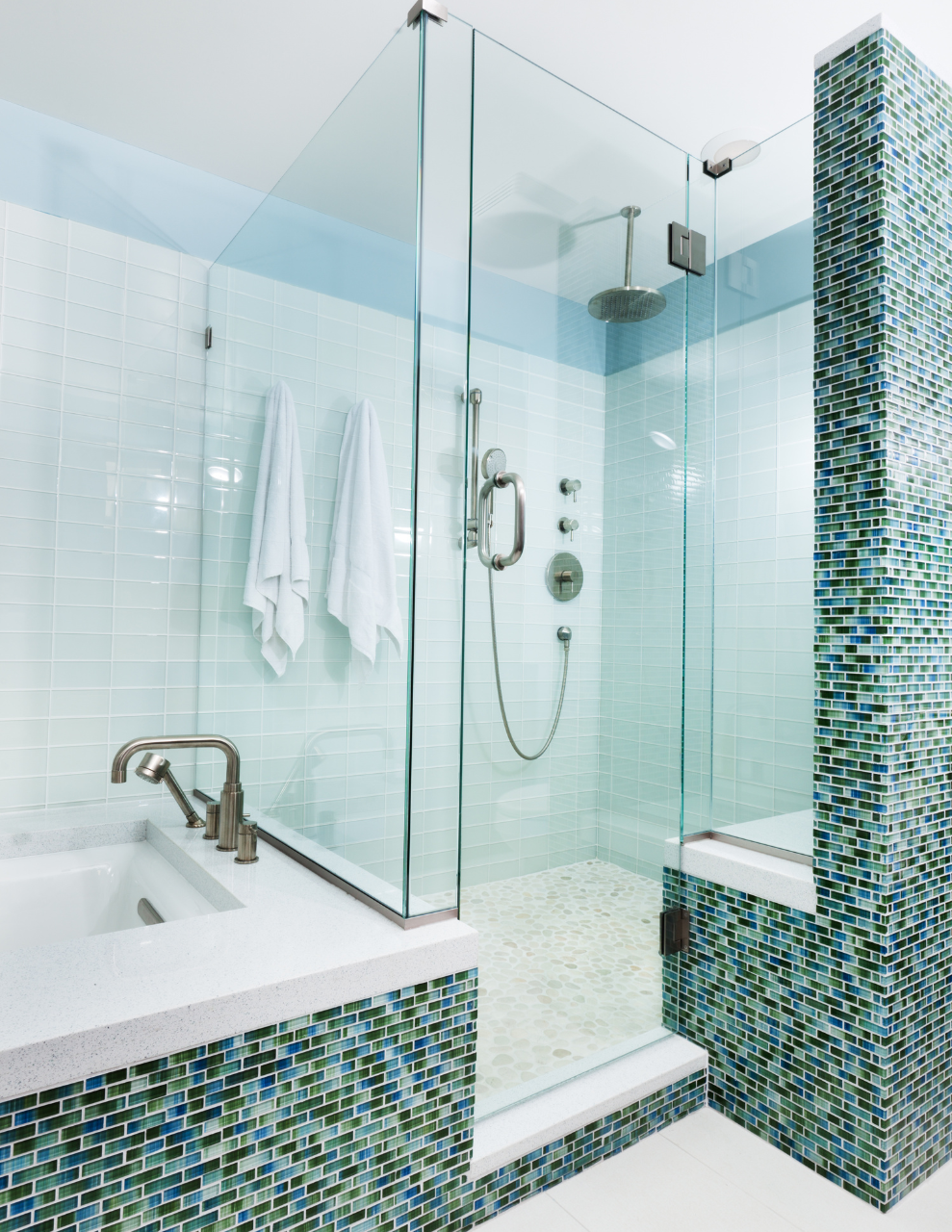
Solid surface shower walls are non-porous and designed to provide a durable, low-maintenance alternative to tile. They can also mimic the look of natural stone while minimizing grout lines, making them appealing to homeowners who want both style and easier upkeep.
Best for: Homeowners who want a durable, low-maintenance shower with a polished look.
There isn't one best material for every bathroom. Like any design choice, it’s extremely individualized and dependent on many factors.
Acrylic and solid surface shower walls are worth considering if low maintenance is a priority. Tile may be the better fit for homeowners who want more freedom with colors, patterns, and layouts. Natural stone offers a more distinctive look, while glass tile can brighten the space.
Think about your shower as part of the larger bathroom, too. Your choice of wall material should work with the shower floor, fixtures, storage, and accessibility features.
And you don't necessarily need a full bathroom remodel to make a noticeable improvement. A focused shower remodel or other wet-area remodeling can update one of the most frequently used parts of the room without changing everything else.
Ready to update your shower? True North Kitchen & Bath can help you find the right materials and remodeling approach for your space, from low-maintenance shower walls to complete bathroom transformations. Contact us to start planning your bathroom remodel.
Together, we can transform your space into your dream bathroom that you and your family will love for years to come. Ready to get started?
Free Consultation.avif)

.avif)
.avif)


