


Call Now
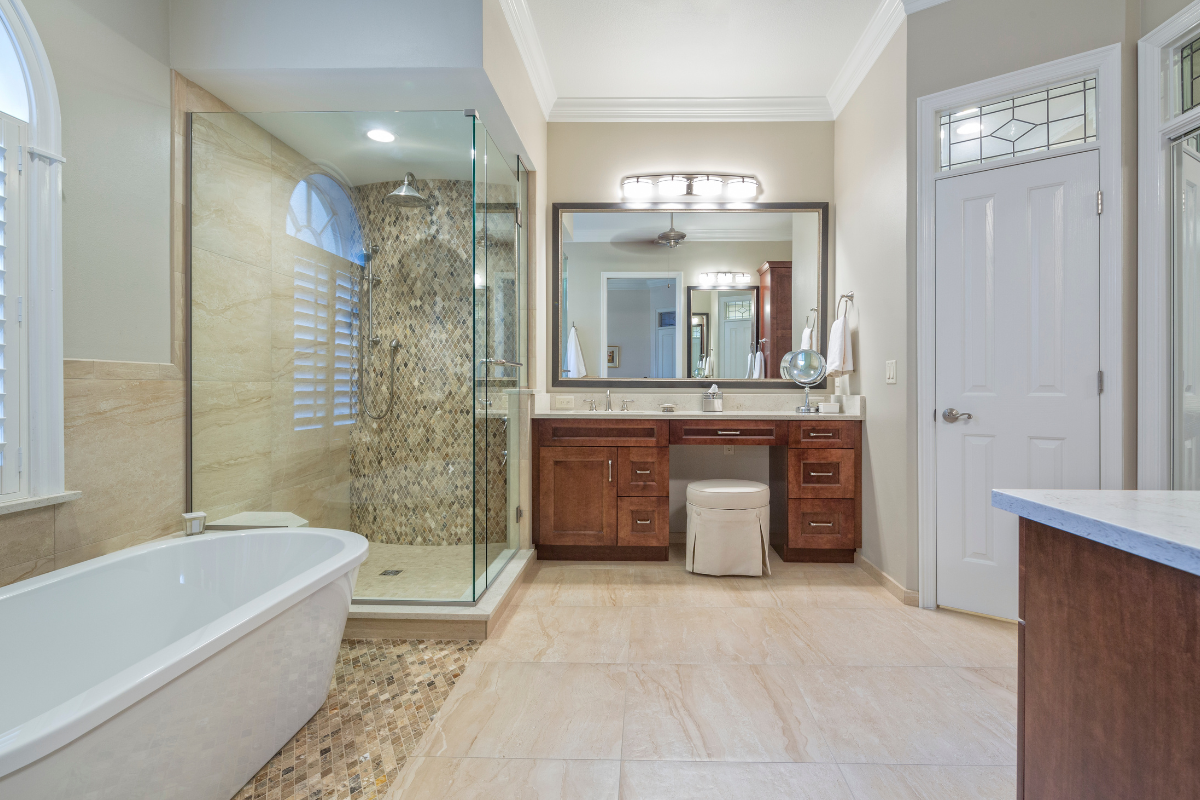
Eichler homes are stunning architectural standouts. These mid-century modern houses are known for their clean lines, natural light, and connection to nature. But while their design elements are aesthetically timeless, the bathrooms in these homes don't always age as gracefully.
If you live in an Eichler home, you may notice that small layouts, outdated fixtures, and damage from previous renovations call for an update. However, there’s a challenge at hand when it comes to renovating these homes: improving comfort and functionality without losing the character that made the home special.
Luckily, with the right materials, fixtures, and layout, you can enjoy modern conveniences while preserving your Eichler's original design.
Developer Joseph Eichler helped bring modernist architecture to everyday homebuyers. According to KQED, he and his associated companies built approximately 11,000 homes in California between 1949 and 1974, most of them in the Bay Area. Working with architects like A. Quincy Jones and Claude Oakland, Eichler emphasized open floor plans, natural materials, and indoor-outdoor living.
Eichler homes have several distinctive architectural features that make them uniquely gorgeous:
The Bay Area has several established Eichler communities, including Greenmeadow and Fairmeadow in Palo Alto, Sunnyvale, Mountain View, Cupertino, San Jose, San Mateo Highlands, Terra Linda and Lucas Valley, and Walnut Creek. Each city has its own collection of mid-century homes, but the same renovation principles apply: work with the original architecture rather than against it.
Even if your bathroom needs a complete update, some original design elements are worth preserving—or reinterpreting—for their architectural and historical quality.
Consider keeping clean geometric lines, natural wood finishes, simple tile patterns, and period-inspired colors like muted greens, blues, and warm yellows.
Natural light is another important feature. Preserve existing skylights and clerestory windows whenever possible, and consider privacy-friendly glass when updating windows.
You don't need to restore every original feature. Instead, identify what gives the bathroom its character and use those details to guide the new design.
While Eichler homes have plenty of architectural appeal, their original bathrooms aren’t always suited to today’s expectations. Common issues include:
Before choosing new materials, have the existing bathroom evaluated. Addressing underlying plumbing, moisture, and ventilation problems is more important than simply covering them with new finishes.
Older homes are gorgeous, but they also come with unique risks. It’s important to consider the potential of hazardous materials in your home before demolition.
Many Eichlers were built before the use of lead-based paint in residential properties was banned in the U.S. Asbestos may also be present in older flooring, adhesives, insulation, and other building materials.
Have questionable materials evaluated by qualified professionals before demolition. If lead-based paint is present, contractors may need to follow EPA lead-safe renovation requirements. Asbestos-containing materials should also be handled by appropriately qualified professionals.
Keeping the toilet, vanity, and shower in approximately the same locations can keep the renovation as simple as possible, especially when working around concrete slab foundations and radiant heating. Streamlined fixtures and thoughtful storage can also help a small bathroom feel more open.
Let the light in! Preserve existing skylights and clerestory windows whenever possible. Frosted, textured, or obscured glass can provide privacy without blocking daylight, maintaining one of the most recognizable (and most beautiful) qualities of Eichler design.
You don't need to recreate a 1950s bathroom to nail the right vibe. Pair contemporary plumbing fixtures with flat-panel wood cabinetry, geometric tile, and understated finishes for a look that feels current but still complements the home.
Ornate trim, heavy traditional vanities, and overly decorative finishes can clash with Eichler architecture. Avoid unnecessary recessed lighting that requires cutting into exposed ceiling decking, and be thoughtful about dark finishes that can make compact bathrooms feel smaller.
Floating vanities with flat-panel doors and warm wood finishes, such as walnut or teak-inspired tones, complement mid-century interiors. Integrated sinks and minimal hardware create a streamlined look, while drawers provide practical storage.
Geometric patterns, square ceramic tile, small-format mosaics, and terrazzo-look finishes all work well in a mid-century modern bathroom. Muted greens, soft blues, and earthy neutrals can add personality without overwhelming the room. For easier maintenance, you can also consider nonporous, grout-free wall surrounds.
Globe sconces, simple metal fixtures, and frameless or round mirrors complement Eichler's clean lines. Wall-mounted lighting can also be useful when the home's ceiling construction makes electrical modifications more complicated.
Polished chrome offers a classic look, while matte black and brushed brass introduce a more contemporary feel. Keep finishes relatively consistent across faucets, shower fixtures, cabinet hardware, and lighting.
Warm white paired with walnut, muted green with natural wood, or soft blue with white can create a fresh bathroom that still feels connected to the mid-century era. Terracotta and cream are another option for homeowners who prefer warmer tones.
Preserving an Eichler's character doesn't have to mean giving up modern conveniences. Walk-in showers, curbless entries, improved ventilation, water-efficient fixtures, and better storage can all fit naturally into a mid-century design.
Accessibility features, including grab bars and thoughtfully designed shower entries, can also be incorporated without making the bathroom feel clinical or overly utilitarian. The key is choosing upgrades that improve everyday use while keeping the overall design simple.
Depending on the scope of your renovation, you may need permits for plumbing, electrical, ventilation, or structural changes. Requirements vary by city, so homeowners in Palo Alto, Sunnyvale, San Mateo, Marin County, and Walnut Creek should check with their local building departments before construction begins.
Some properties may also be subject to historic preservation rules or neighborhood design guidelines. A qualified remodeling contractor can help identify applicable requirements before work starts.
Remodeling an Eichler bathroom requires more than selecting attractive finishes. The home's slab foundation, radiant heating, distinctive ceiling construction, and architectural details can all influence the renovation.
Working with a remodeler familiar with Eichler homes is one of the best ways to ensure these considerations are addressed before construction begins. It also makes it easier to balance modern functionality with the design details that give the home its identity.
At True North Kitchen & Bath, we believe a successful renovation should reflect how you live while respecting the character of your home. Whether you're updating an original bathroom or planning a more extensive transformation, thoughtful design and quality materials can help you make the most of your space.
Ready to start planning your bathroom remodel? Contact True North Kitchen & Bath to discuss your project.
Together, we can transform your space into your dream bathroom that you and your family will love for years to come. Ready to get started?
Free Consultation


