


Call Now
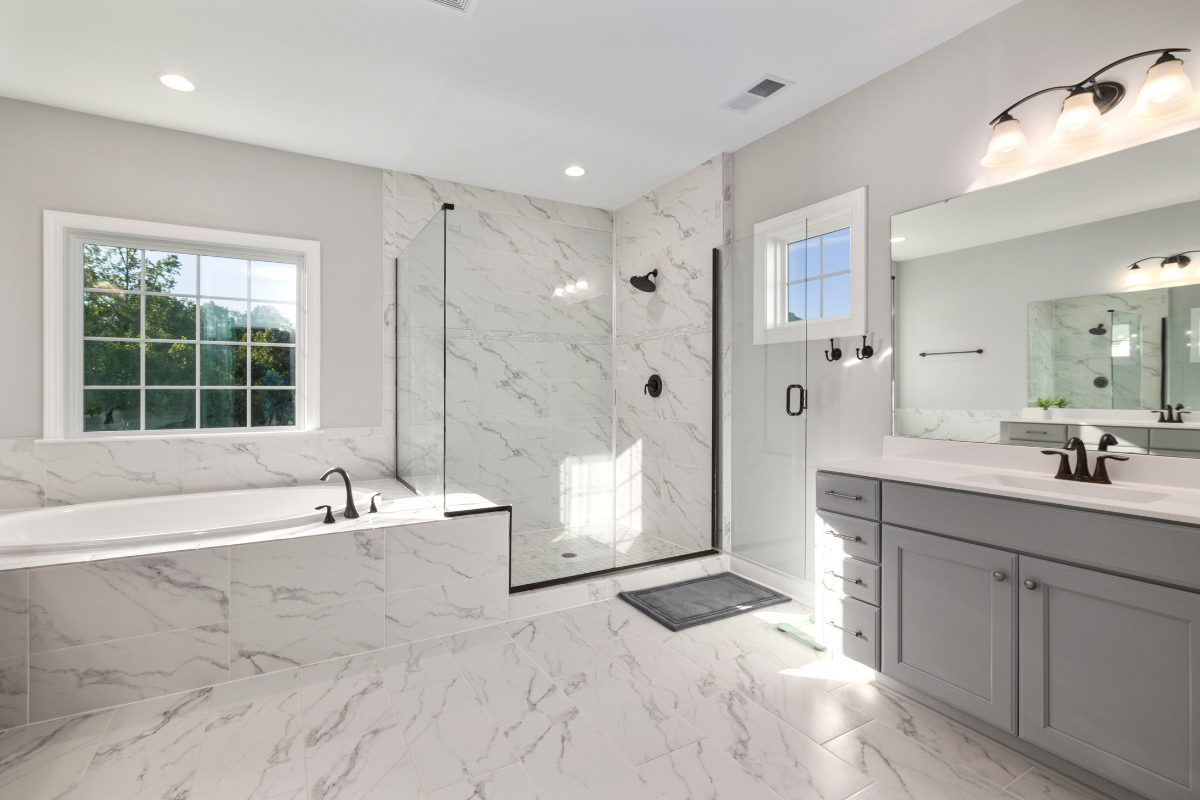
Bathrooms should be comfortable, functional, and safe for everyone who uses them. Whether you're planning for kids, making your home more comfortable for aging family members, recovering from an injury, or simply creating a more accessible home, universal bathroom design can help. Rather than focusing on a specific age group or ability level, universal design is all about creating a space that’s easy and convenient for people of all ages and mobility levels.
Universal bathroom design principles are becoming increasingly popular as homeowners prioritize long-term functionality in their bathroom remodels. From curbless showers and comfort-height fixtures to floor plans that maximize floor space, this approach makes it easier than ever to create a bathroom that’s stylish and meets changing needs for years to come.
Universal bathroom design is the practice of designing a bathroom that can be used safely and comfortably by as many people as possible, regardless of age, size, or physical ability. The goal is to eliminate unnecessary barriers while improving accessibility and convenience.
Unlike specialized accessible bathrooms designed for a particular disability, a universal bathroom incorporates features that benefit everyone. For example, installing grab bars can help an older adult maintain balance, but they can also provide extra stability for children or anyone recovering from an injury.
Put simply, it’s all about creating a space your whole family can use, year after year!
There’s a lot to love about universal design, including the following benefits.
One of the biggest advantages of a universal bathroom is its flexibility. The space can comfortably serve young children, adults, seniors, and guests without requiring major modifications later on.
Many homeowners want to remain in their homes as they get older. Universal bathroom design makes this possible by reducing fall risks and improving accessibility. Features such as comfort-height toilets, grab bars, and barrier-free showers help individuals maintain independence for longer.
Bathrooms are one of the most common locations for household slips and falls. Universal design features help create a safe and accessible environment by reducing hazards and providing support where needed.
As accessibility becomes increasingly important to homebuyers, homes with universal design features often appeal to a broader audience. A thoughtfully designed bathroom can make your property more attractive and potentially increase resale value.
Even if accessibility isn't currently a concern, universal design principles can do wonders for daily comfort and usability. Features like handheld showerheads, lever handles, and improved floor space make everyday tasks easier for everyone.
These design principles can make your bathroom more functional, comfortable, and accessible for the whole household.
Adequate floor space is one of the most important components of universal bathroom design. A bathroom should allow people to move freely without feeling cramped.
Providing ample space around fixtures makes it easier for people using a wheelchair or walker to get around the room. Open layouts are also more comfortable for households with children or just many members, especially in shared bathrooms.
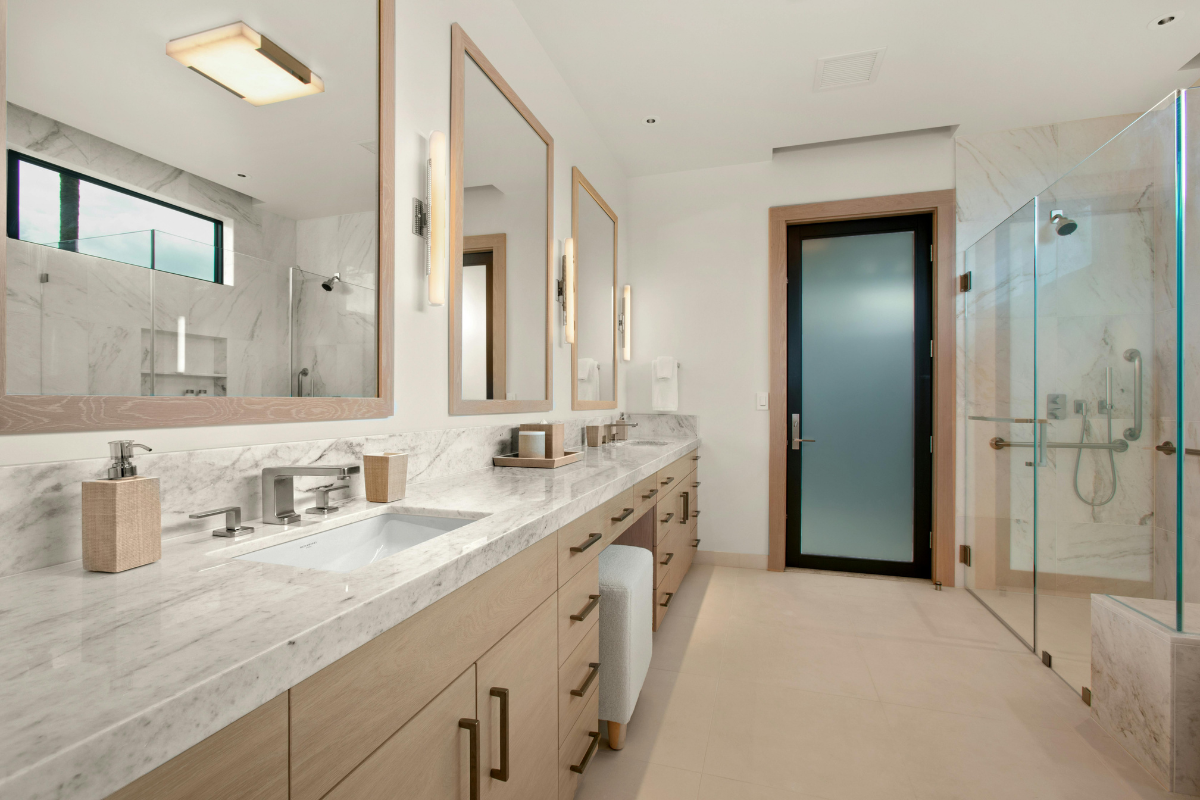
A curbless walk-in shower eliminates the traditional step or threshold found in many shower enclosures. This creates a seamless transition between the bathroom floor and shower area.
Walk-in showers reduce tripping hazards and make entry easier for people with limited mobility. They also create a modern, spa-like appearance that enhances the overall bathroom design aesthetic.
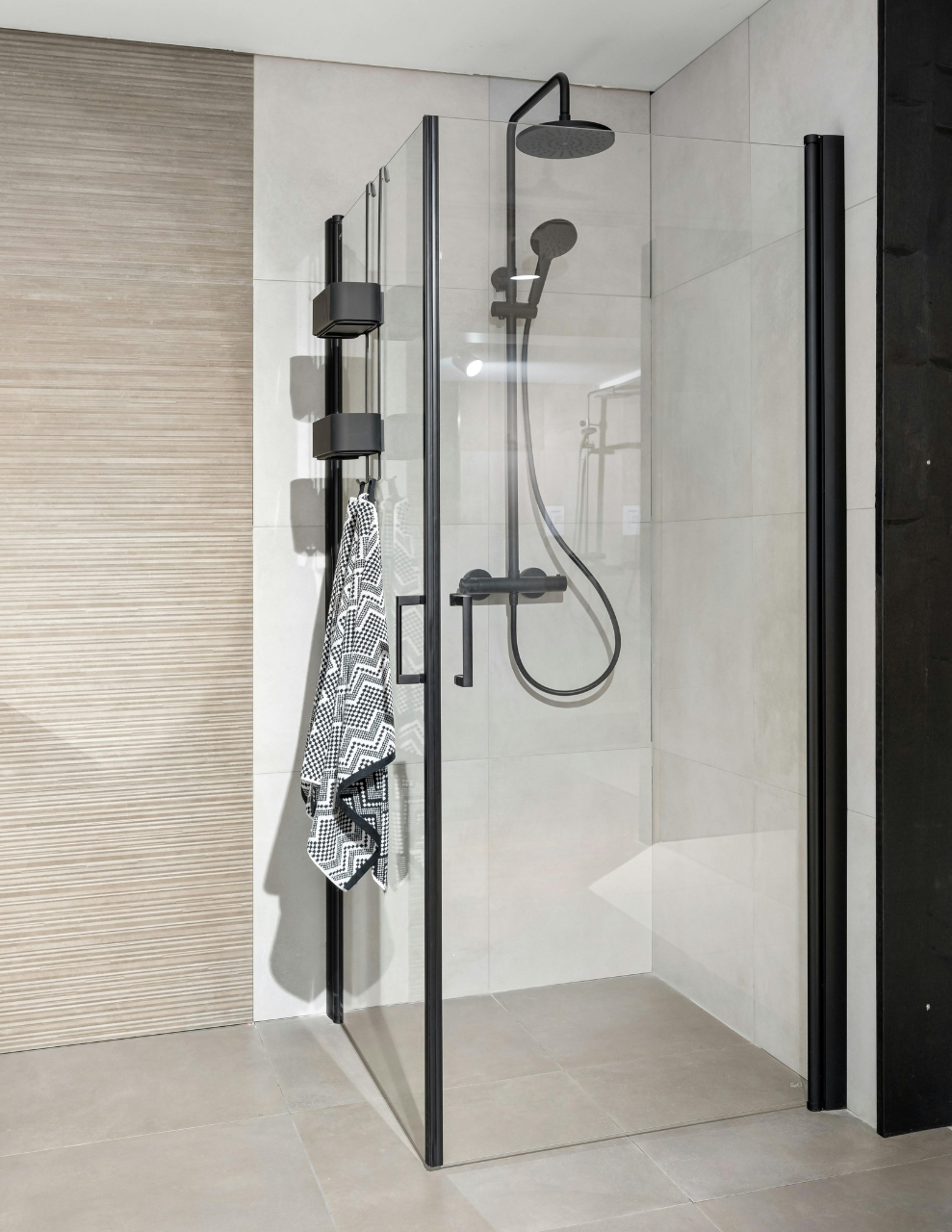
Installing grab bars is one of the simplest and most effective ways to improve bathroom safety.
Modern grab bar options are available in a variety of styles and finishes that blend seamlessly with contemporary bathroom designs. Properly placed grab bars near the shower, bathtub, and toilet provide additional stability and confidence for everyone.
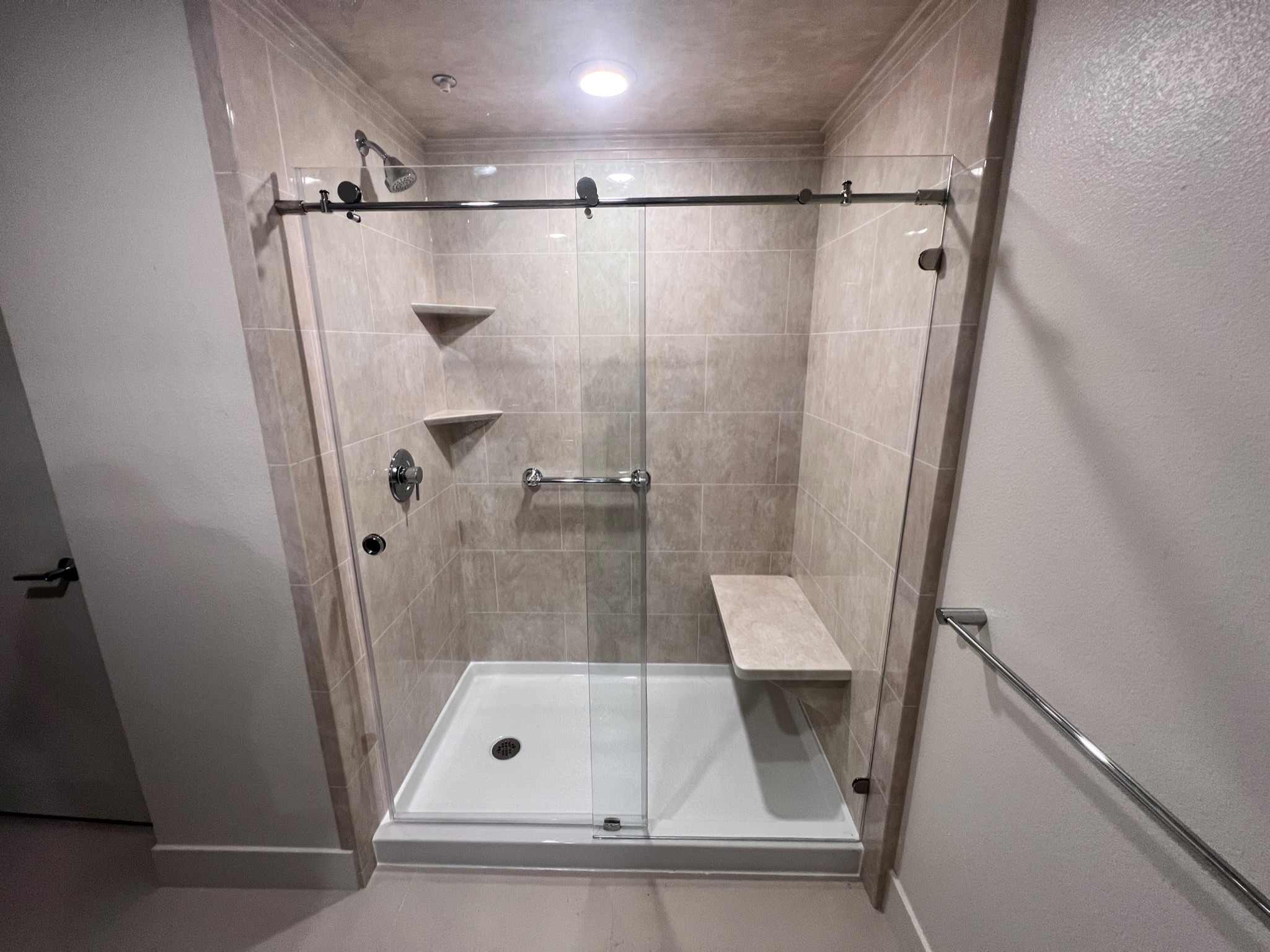
Comfort-height toilets are typically between 17 and 19 inches high. These fixtures sit slightly taller than standard models, making them easier to use.
The additional height reduces strain on the knees and joints, particularly for older adults and individuals with mobility limitations. Comfort-height toilets can improve comfort while maintaining a stylish appearance.

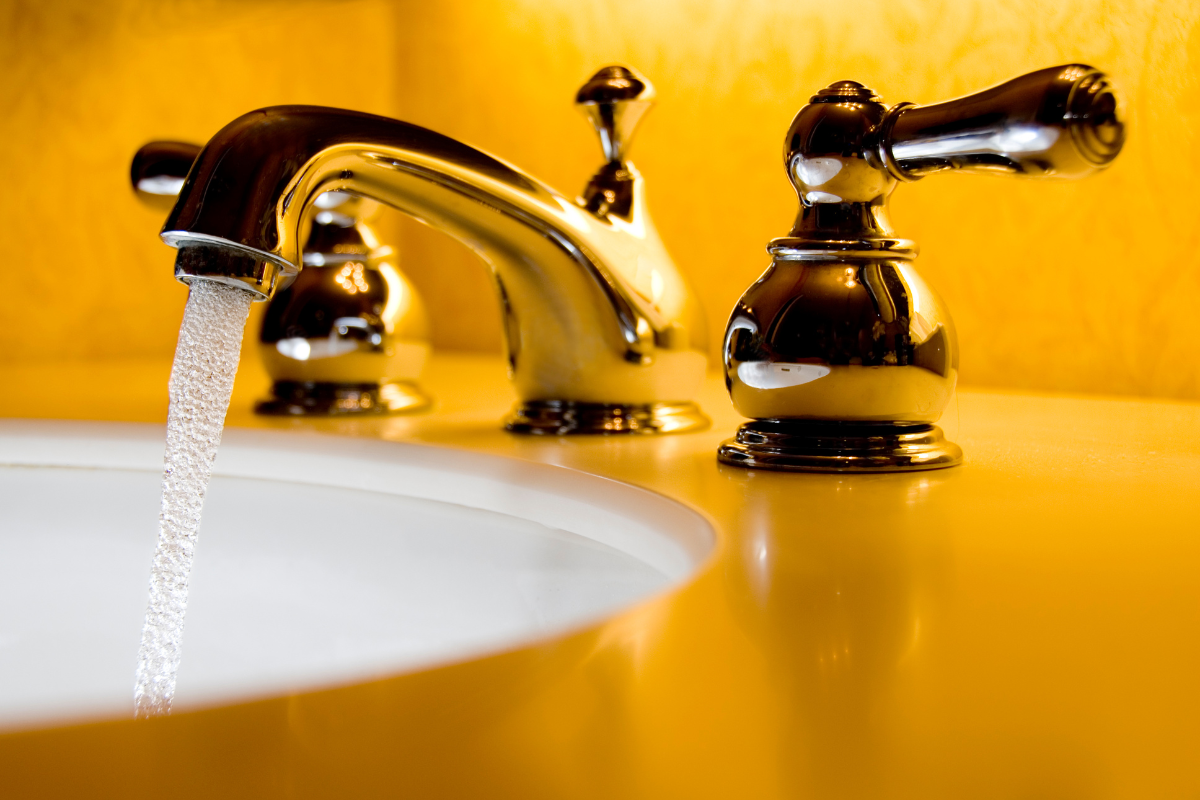
Traditional faucet knobs can be difficult for some people to use. Lever handle faucets, on the other hand, require less grip strength—you can even use your elbow or closed hand.
Opting for accessible handle faucets like this improves accessibility while adding a sleek, contemporary touch to the bathroom.
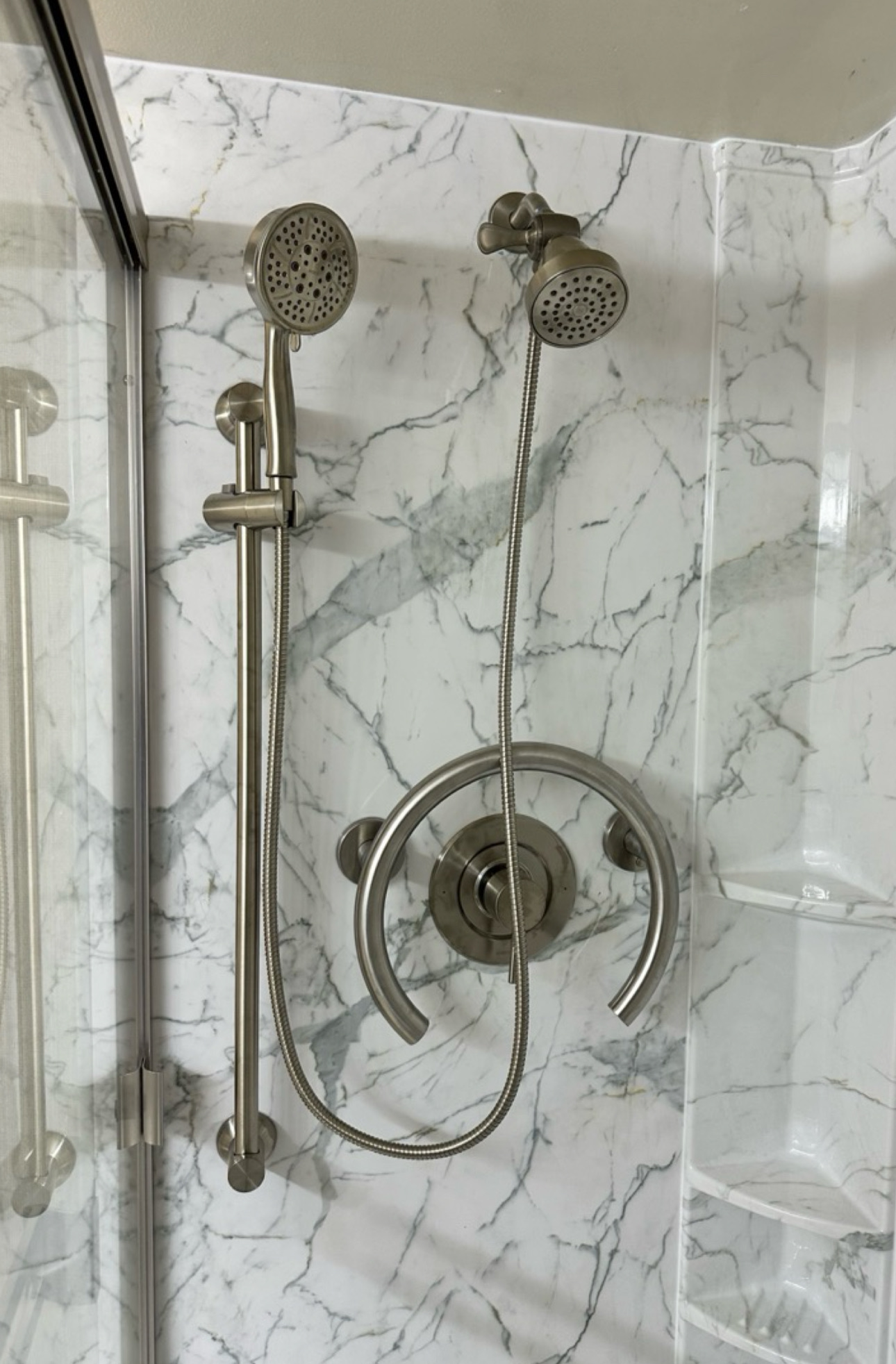
A handheld showerhead offers more flexibility than your standard fixed showerhead.
These showerheads allow you to adjust the water flow direction as needed for an easier, more comfortable shower or bath. Handheld options are particularly beneficial for individuals with mobility challenges, caregivers assisting others, and families with young children.
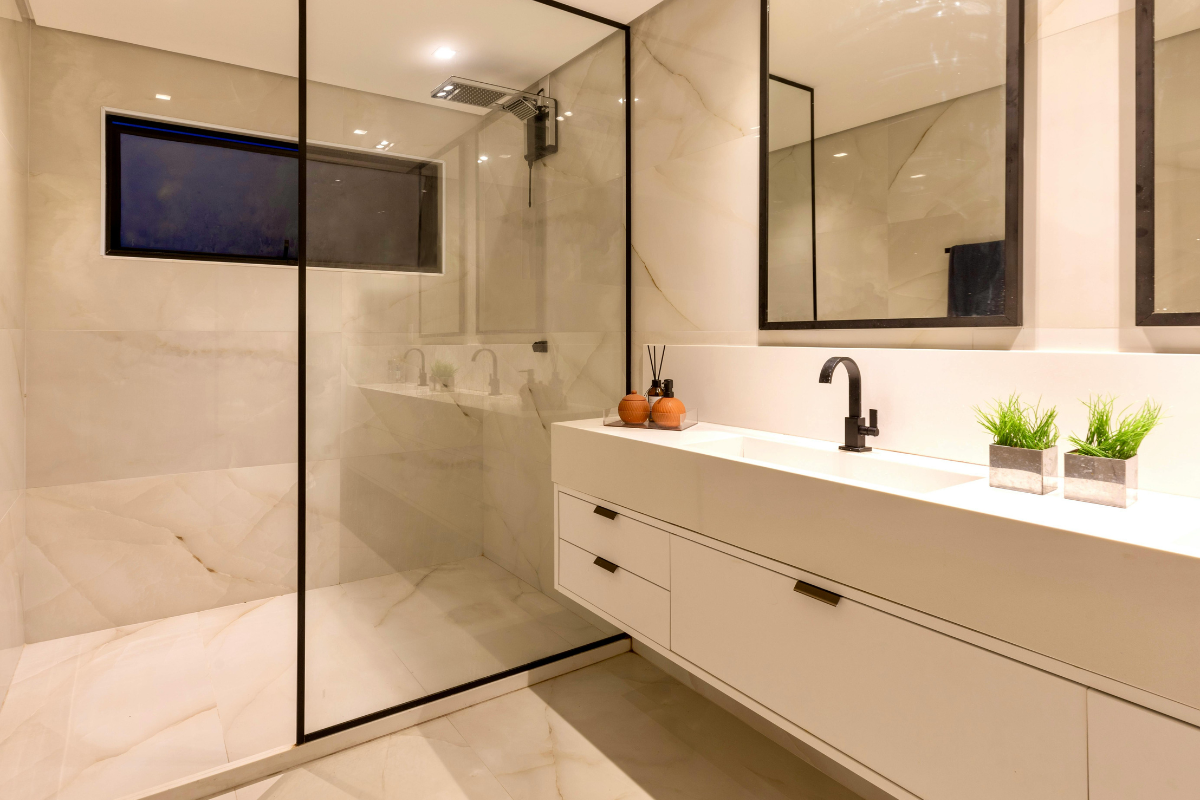
Wall-mounted sinks and vanities can improve accessibility by creating additional open space underneath the fixture.
This design allows wheelchair users to position themselves comfortably while also making the room feel larger and less crowded. Wall-mounted fixtures can contribute to a clean, modern aesthetic while improving accessibility for the whole family.
.png)
Storage should be easy for everyone to reach and use. Consider drawers instead of deep cabinets, pull-out organizers, and accessible shelving.
Including a toe kick beneath cabinetry can make it easier for people to stand comfortably at the vanity while reducing strain.
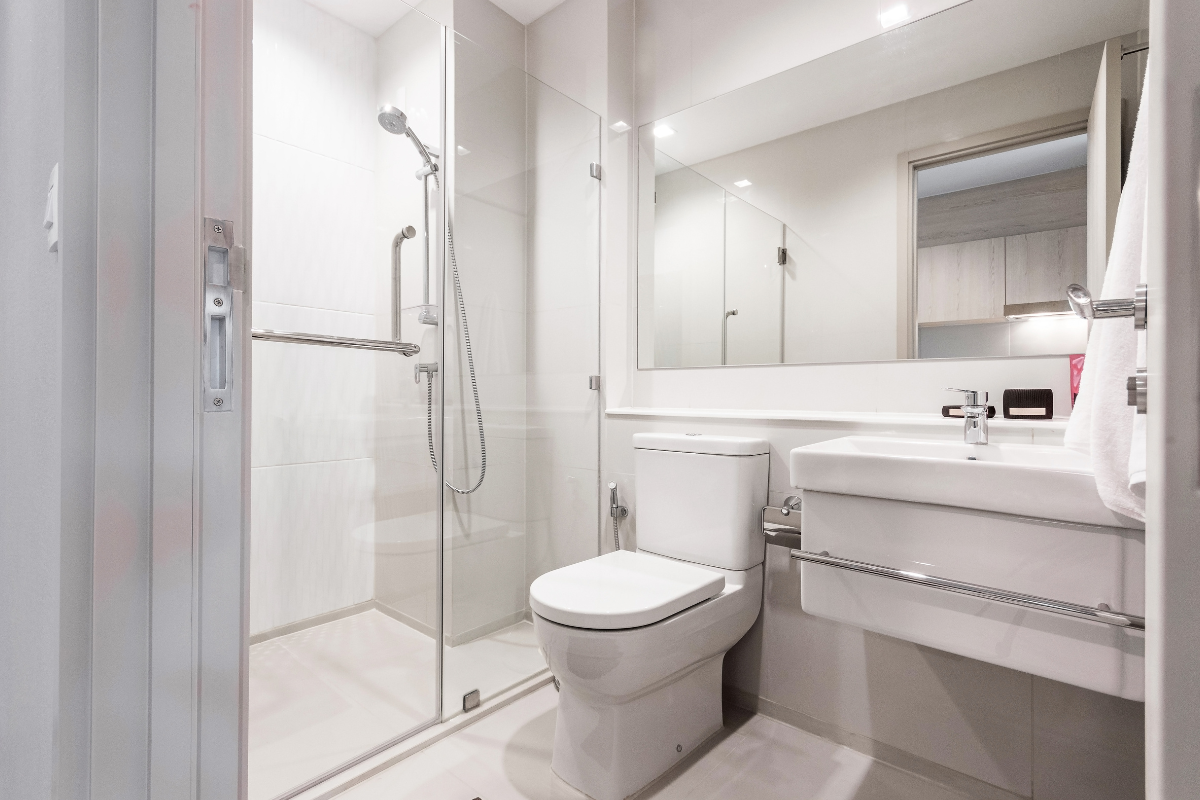
Proper lighting is essential in any bathroom but becomes even more important in a universal design bathroom.
Layered lighting, including overhead fixtures, task lighting, and night lighting, improves visibility and safety. Well-lit spaces help reduce accidents and make routine activities easier for users of all ages.
Together, we can transform your space into your dream bathroom that you and your family will love for years to come. Ready to get started?
Free Consultation.avif)

.avif)
.avif)


